
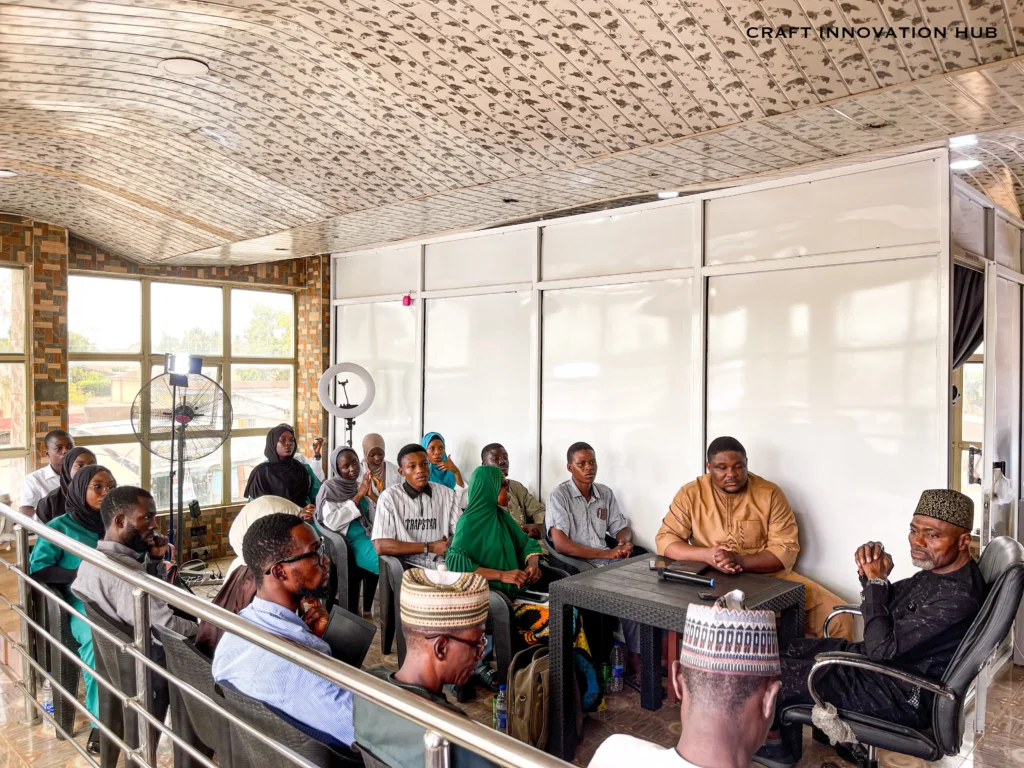
In Ilorin, the problem is rarely a lack of ambition. The deeper problem is what happens after ambition, after interest, after a short course, after a certificate. Craft Innovation Hub is trying to build a local structure that carries people further.
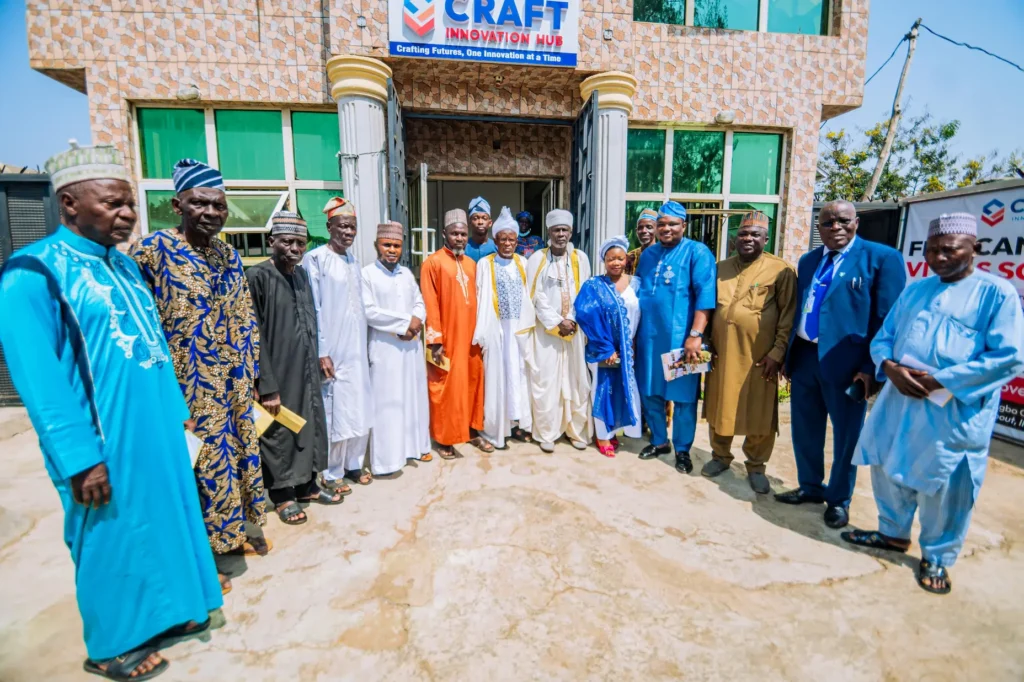
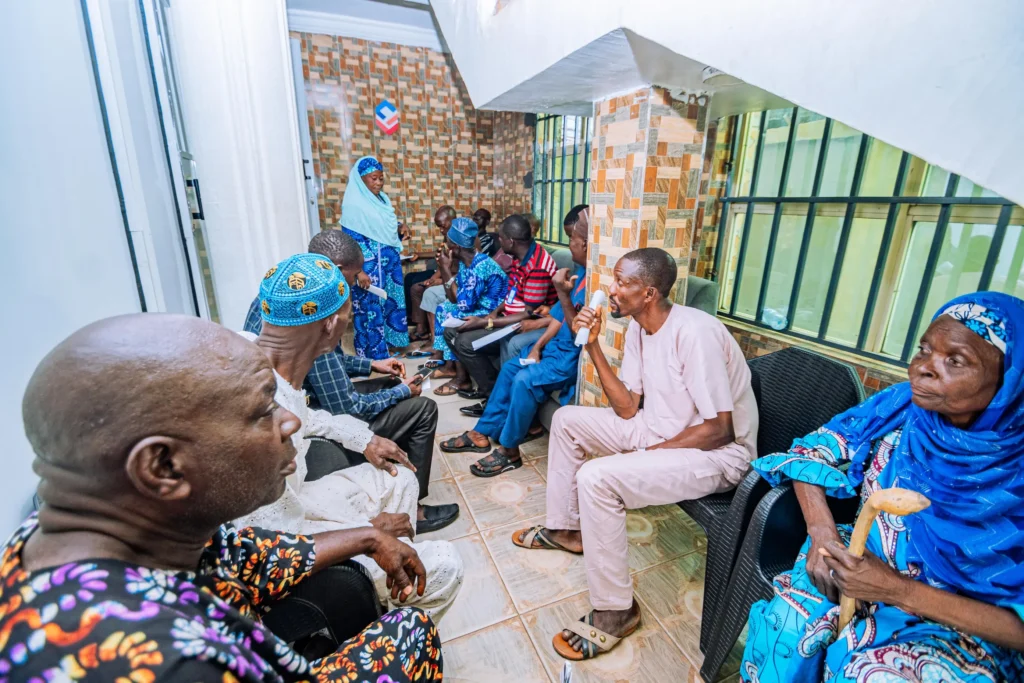
By morning, people were already gathering at Agbo Oba Road in Ilorin. Some came to learn. Some came to be screened. Some came because they had heard that a new place in town was doing something unusual: making itself useful before making itself famous. That instinct explains why Craft Innovation Hub is drawing attention. In a city where many people have talent but too few have structured pathways, the hub is trying to do more than teach. It is trying to organise hope into motion.
In Ilorin, wasted potential rarely makes noise.
It usually looks ordinary. It looks like a young person who knows a little design, a little data, a little digital marketing, but cannot find the next step. It looks like a graduate with certificates but no traction. It looks like a working adult learning in fragments and still unable to convert effort into income. It looks like a city full of hungry people, but short on dependable ladders.
That is the gap Craft Innovation Hub is trying to fill.
The reason the hub is getting attention is not simply that it opened a building. It is that it arrived with a clearer answer to a familiar local frustration. Many people in Ilorin do not need more speeches about empowerment. They need structure. They need a place that notices talent, organises it, sharpens it, and pushes it towards work, freelancing, entrepreneurship, or at least a stronger next move.
That is the core promise behind Craft Innovation Hub.
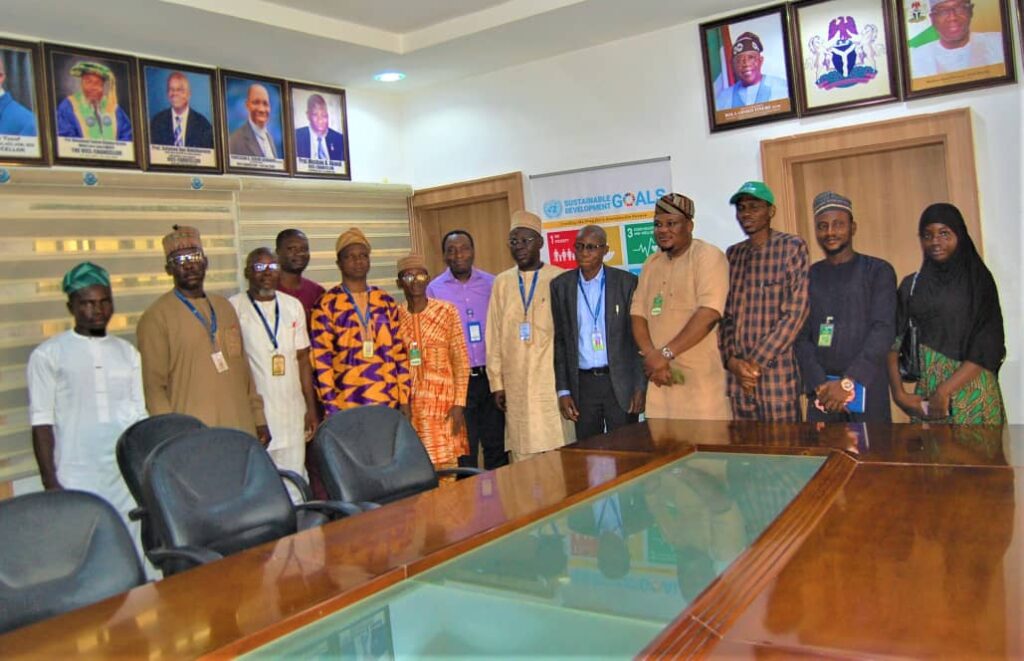
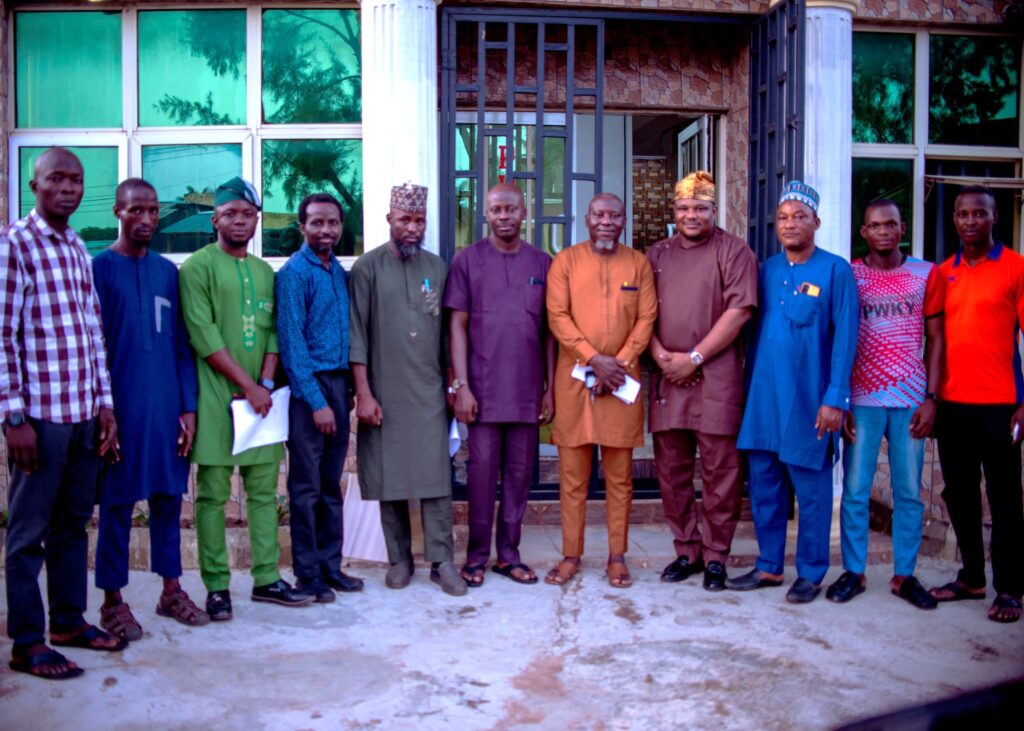
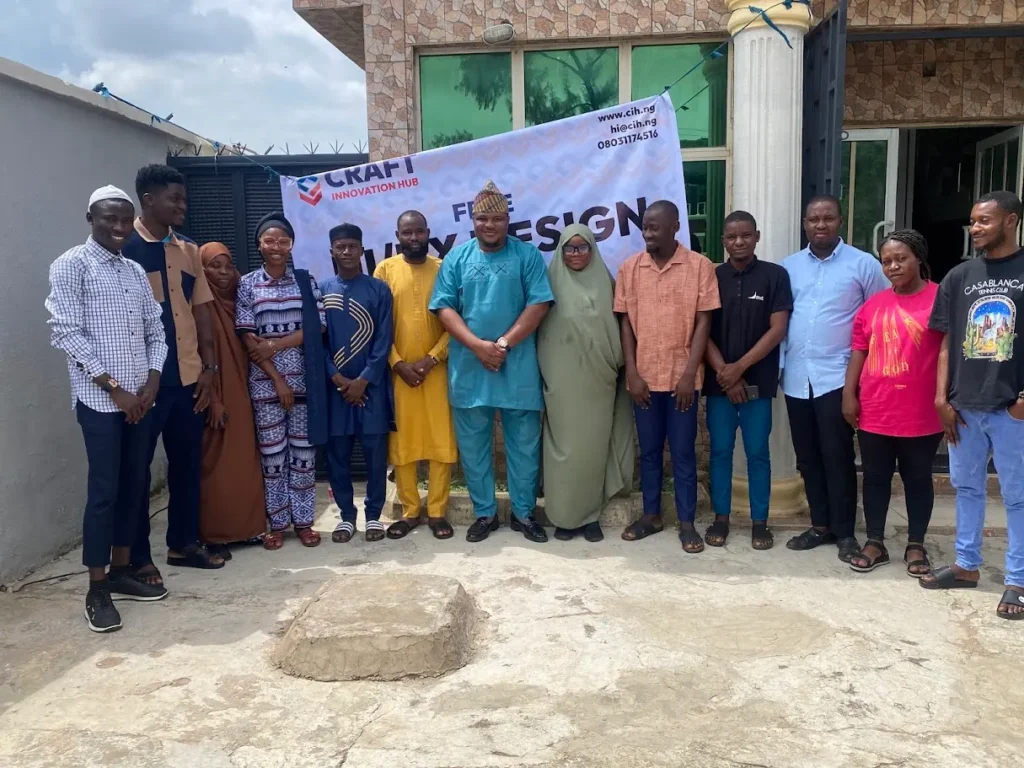
From the beginning, the hub has tried to position itself as more than a conventional training centre. Its public-facing model blends practical skills, entrepreneurship, media visibility, and community-facing programmes. In plain terms, the message is simple: learning should not stop at exposure. It should lead somewhere.
That is why the hub’s activity has stood out.
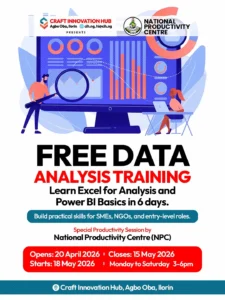
Before and around launch, CIH used free and low-barrier entry-point programmes to pull people into practical learning. That approach mattered because it reduced the fear and distance that often stop people from entering serious skills spaces in the first place. The logic was clear. Lower the barrier, build confidence, and then move people towards stronger commitment.
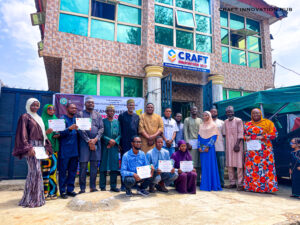
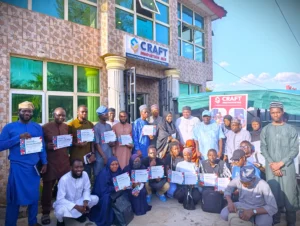
Its named programme completers tell a similar story. Recent cohorts have included students, a nurse, a journalist who is also a civil servant, a graduate preparing for NYSC, and a homemaker. That diversity matters because it shows that the opportunity gap in Ilorin is not limited to one class of people. It cuts across age, occupation, and circumstance. Any local institution serious about filling that gap must be broad enough to welcome different starting points, while still practical enough to move people forward.
The stronger case for CIH, however, is not in certificates alone. It is in the wider pattern of what it is trying to become.
It is trying to make skills feel closer to livelihood.
It is trying to make local ambition feel less stranded.
It is trying to build a place where people can move from scattered ability to structured progress.
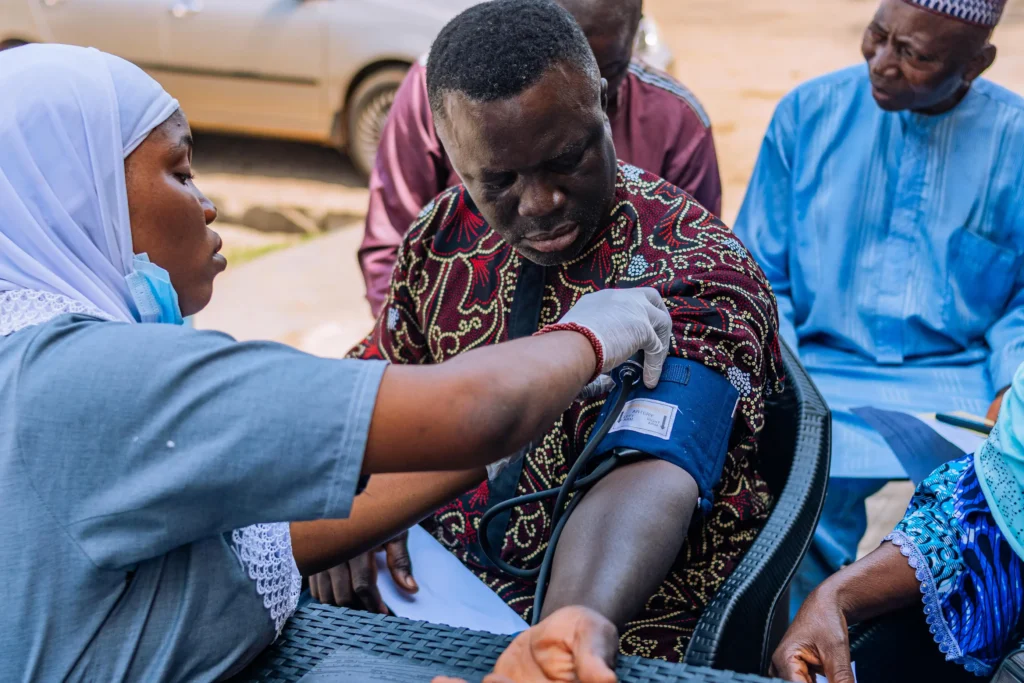
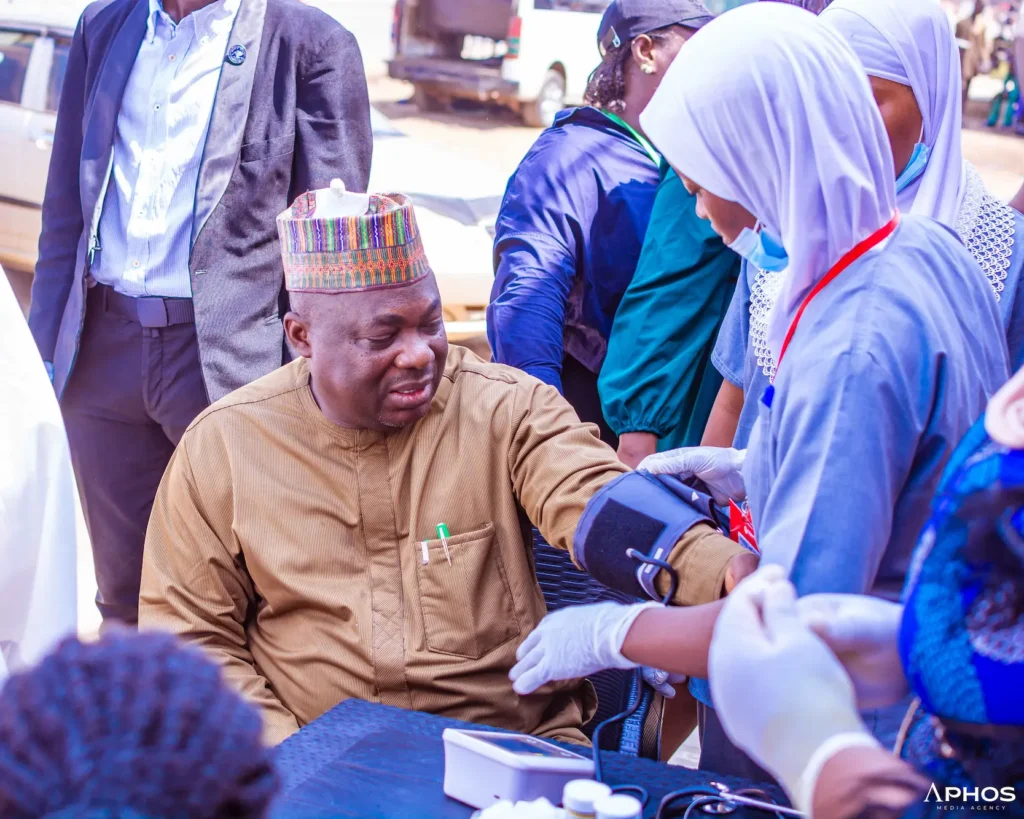
That helps explain why the hub has not limited itself to classroom activity. Its public-facing work suggests that it understands something many institutions miss. In places like Ilorin, trust is built through usefulness. A centre that wants the public to take it seriously must do more than advertise programmes. It must show up in ways ordinary people can feel.
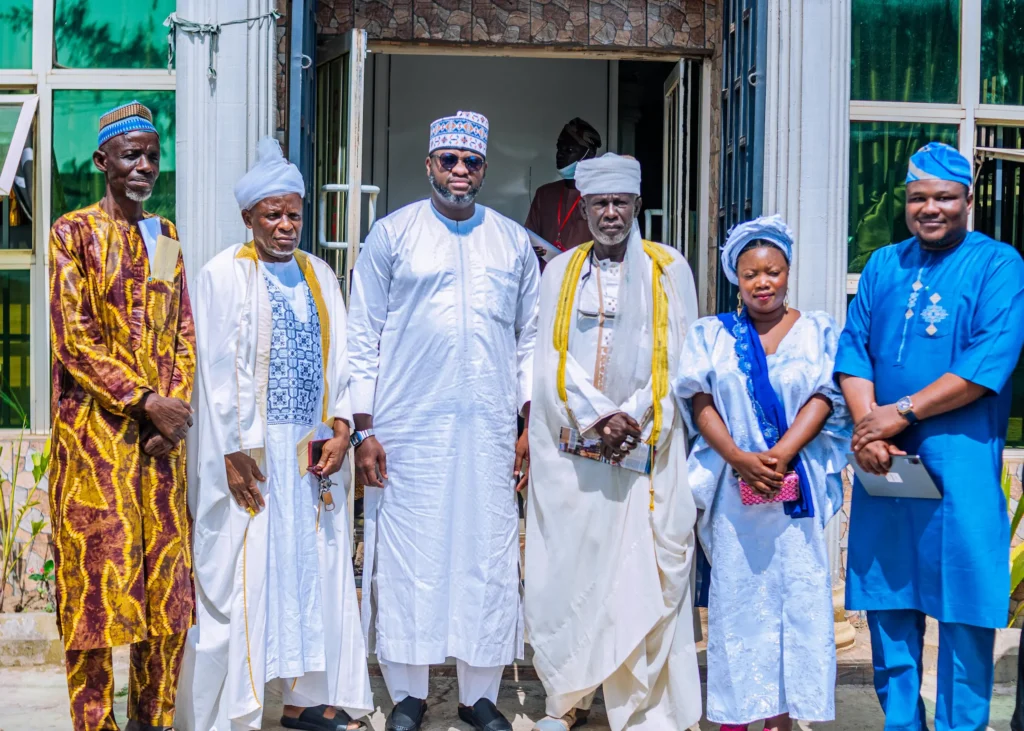
That is one reason CIH’s community presence matters. It signals that the institution is trying to root itself in local life, not float above it. A place that becomes useful to the public becomes easier to believe in.
Still, attention is not the same as proof.
That is where the real challenge now begins.
Once a hub starts speaking in the language of outcomes, it invites a harder standard. It is no longer judged by launch photographs, applause, or the number of activities it can announce. It is judged by what happens afterwards. How many people keep moving? How many build income? How many return with evidence of change? How many stories continue beyond the last day of class?
That is the stage Craft Innovation Hub is entering now.
It already has visibility. It has public curiosity. It has early momentum. More importantly, it has identified a real problem in the city and given that problem a name people can recognise instantly. Ilorin is not empty of talent. It is full of people with ability, hunger, fragments of knowledge, and unfinished momentum. What has often been missing is a dependable local structure that can gather those fragments and turn them into something stronger.
That is why this story is bigger than one institution.
It is a story about a city that has lived too long with scattered brilliance and too few systems for multiplying it.
If Craft Innovation Hub succeeds, its greatest achievement will not be that it hosted classes or drew dignitaries. It will be that it helped Ilorin build a missing machine for itself: a machine that notices talent, organises it, and refuses to leave it waiting for another city to make it possible.
That is the real story beneath every cohort, every class, every outreach, and every certificate.
A city changes when talent stops waiting for somewhere else to open the door.